
Knowledge graphs, entities and structured data
One reference for developers and SEOs
Knowledge Graph Navigator is an independent reference publication. It documents knowledge graphs from both sides: the data model, standards and tooling developers work with, and the entities, markup and search behaviour SEOs work with. Every topic gets one page, written to be read once and returned to.

Core Concepts
What a knowledge graph is, what counts as an entity, how triples and ontologies fit together, and how graphs differ from graph databases and vector databases. Start here if the vocabulary is new.

Languages and Formats
The syntaxes that carry entity data: JSON-LD, RDFa, Microdata, Open Graph, RDF, SPARQL, OWL and SHACL. Each page has working examples and says plainly when one format is the right choice over another.

Ecosystems and Knowledge Bases
The public graphs that feed search engines and language models: Google’s Knowledge Graph and knowledge panels, Wikidata and its query service, DBpedia, schema.org and structured data.
Then apply it
Three sections cover the work itself: optimizing entities for search, building a graph from scratch, and the literature worth reading before either.

Knowledge Graphs for SEO
Entity SEO, semantic SEO, sameAs, Organization and Person markup, and validation tools.

Building Knowledge Graphs
Scope, model, extract, load and query, with Python examples and graph database guidance.

Recommended Reading
Verified books, papers, specifications and courses, annotated and grouped by what you want from them.
Three places to start
Most readers arrive with one of three questions. Each page answers one and links onward from there.
What is a knowledge graph?
The definition, a worked example, and the distinctions that the term is usually confused with.
JSON-LD
The syntax behind almost all structured data on the web, with markup you can copy and adapt.
Glossary
Every term the site uses, defined in a sentence or two and linked to the page that covers it.
Entities, not keywords
The shift from matching strings to identifying things changed how search engines and language models represent the world. These pages explain the mechanics behind that shift and what to do about it.
Blog
Notes, updates, and shorter pieces that sit outside the reference sections.
-
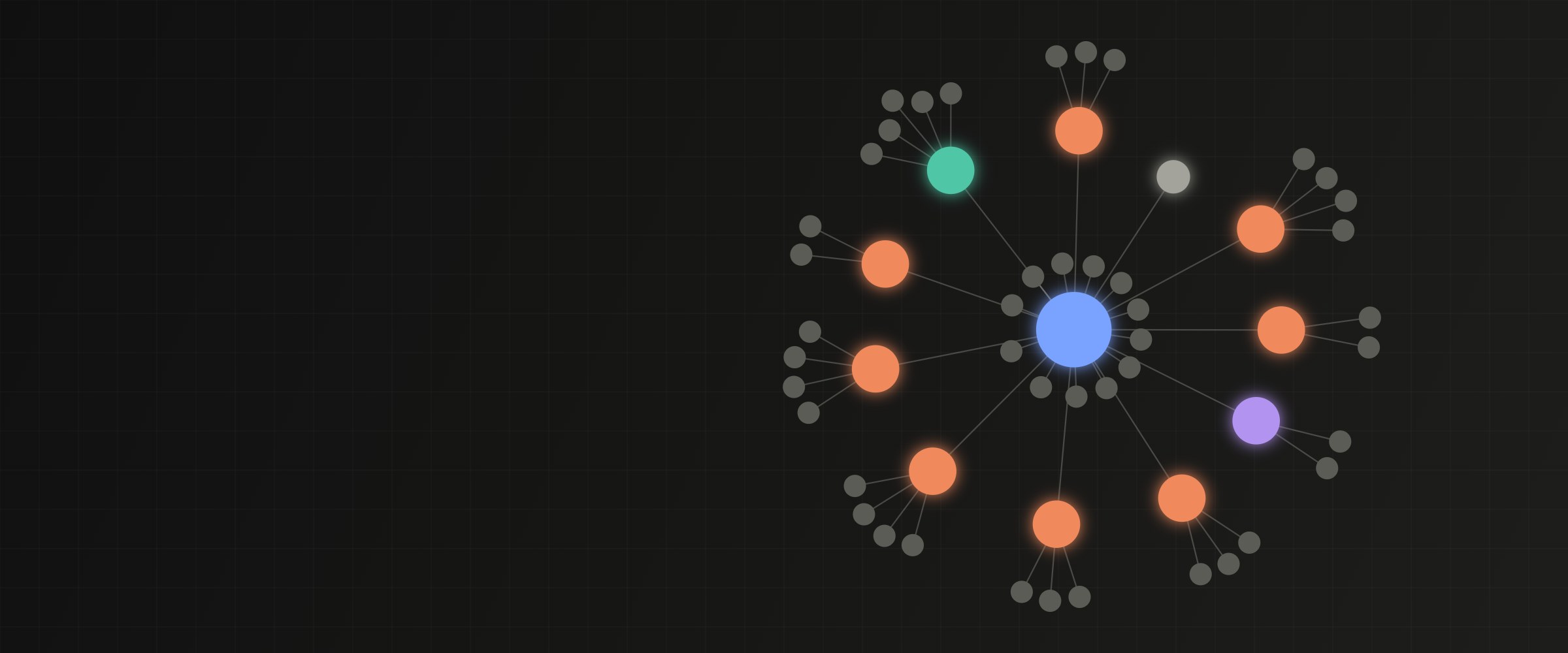
One university, six syntaxes: does the format change the graph?
We wrote the same IPEDS facts about one university in JSON-LD, Microdata, RDFa, Turtle, N-Triples…
